




In Need of an Experienced Social Media Teen Harm Attorneys in Fort Mill & Greenville, SC
At the David W. Martin Law Group, our South Carolina injury attorneys are dedicating our resources to protecting individuals and families — including children and teenagers — whose lives have been negatively impacted by social media platforms.
With more research, whistleblowers, and studies providing tangible proof that social media platforms — notably Instagram and Snapchat — are causing increased rates of self-harm in pre-teens and teenagers locally and across the nation, it is our duty to help our clients take a stand.
Here is what our South Carolina residents need to know about the negative impacts of social media on their children and teenagers.
Families are Suffering from the Irreparable Harm Social Media is Causing Tweens and Teenagers Throughout South Carolina
With little to no oversight, social media platforms and their parent companies are being accessed by vulnerable children and teenagers who are engaging in self-harm because of their online experiences.
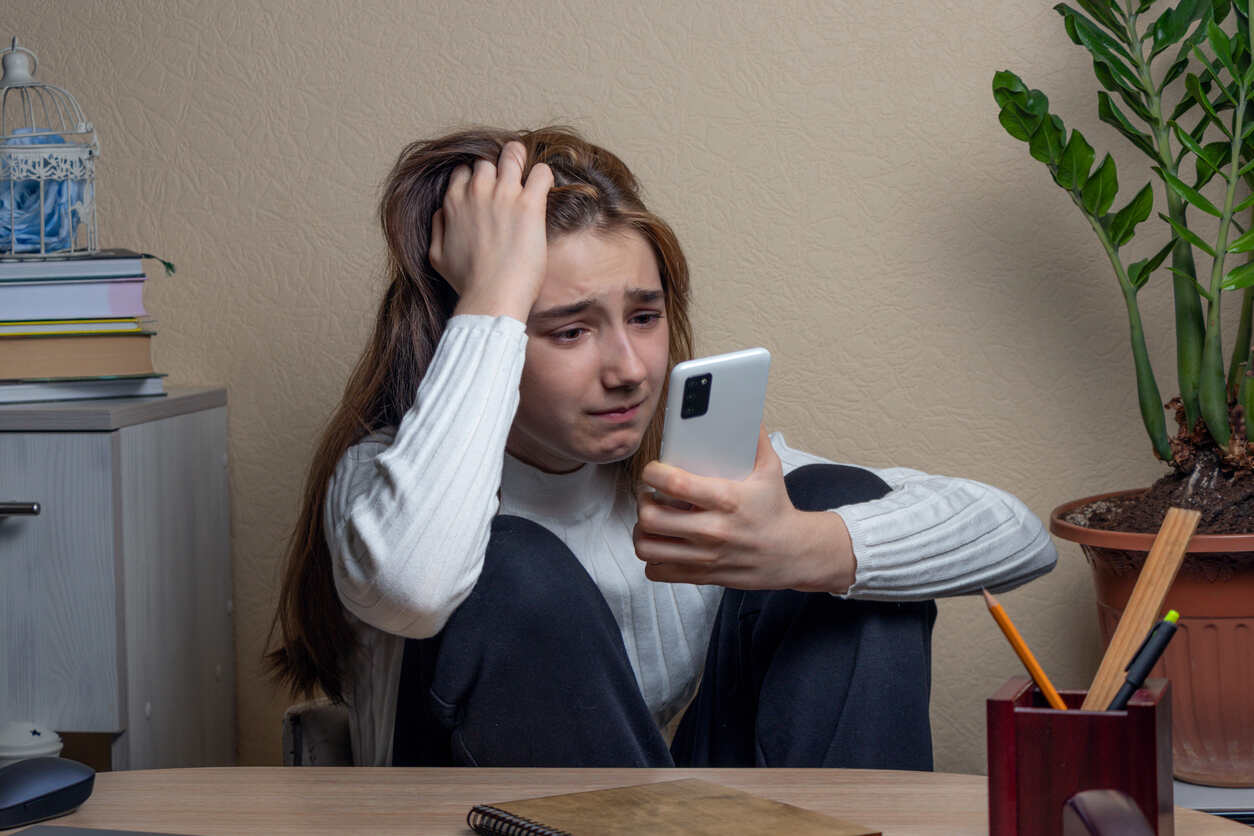
Both male and female tweens and teenagers are being subjected to significant dangers because of their social media use, including body shaming, attacks on their self-esteem, and other sensory disturbances that are leading to eating disorders, body dysmorphic disorders, self-mutilation, and tragic attempts or effective suicides.

If you or your child has spent extended time engaging in self-harm because of online experiences, we want to hear your story, so we can hold the liable parties accountable for your damages.
How Can the David W. Martin Law Group Help Me Pursue Social Media Companies for the Harm They Have Caused My Children?
Recently, former social media employees turned whistleblowers have leaked important documents disclosing the extent to which their employers knew their products, notably Instagram and Snapchat, were harming children and chose to do nothing about it.
This includes proof through released documents that state social media outlets:
- Fail to verify the ages of users, allowing children under the age of 13 to access their platforms based on self-reported birthdays.
- Market themselves as safe for children over 14, with full knowledge that their software programs were particularly dangerous to adolescents and teenage girls.
- Fail to warn parents and/or social media users of the known negative health effects associated with the use of their platforms.
Both Instagram and Snapchat are under investigation for creating algorithms designed to addict children and lead them to increasingly provocative images that often promote eating disorders, self-harm, suicidal tendencies, suicide attempts, and suicide in South Carolina and across the country.
According to Social Media, Internet Use and Suicide Attempts in Adolescents, a study published by Current Opinion in Psychiatry, which reviewed multiple social media platforms…
“Current evidence suggests that excessive or ‘problematic’ use of social media/internet does impact suicide risk, specifically increasing the risk of suicide attempts. … As internet and social media platforms develop, more understanding of the specific risks and mechanisms associated with different types of digital activity, by different population groups, will be essential to understand risk and pave the way for specific interventions.”
If your child is suffering from self-harm caused by social media use, contact our skilled civil litigation attorneys in South Carolina for help today. We are investigating all potential legal avenues to help bring justice for children, teenagers, and families adversely affected by social media use.
How Social Media Platforms Are Being Evaluated as Products in Child Harm Claims
As more families come forward with concerns about the impact of social media on their children, the legal conversation is shifting significantly. These cases are no longer being viewed solely as issues of user behavior or online interaction. Instead, courts and legal professionals are increasingly examining whether social media platforms themselves function as products that can be designed, tested, and evaluated for safety.
This distinction matters. When a product is placed into the marketplace, the company responsible for it may be required to consider foreseeable risks and take reasonable steps to reduce harm. In the context of social media, that raises important questions about how platforms are built, how content is delivered, and whether safety was treated as a priority at every stage of development.
Unlike traditional products, social media platforms are constantly evolving systems. Algorithms are adjusted, features are added, and user engagement is continuously measured and refined. These changes are not random. They are intentional decisions made to influence how users interact with the platform, how long they stay engaged, and what content they see.
For children and teenagers, those design decisions may have significant consequences.
Why Platform Design Is Becoming Central to Legal Claims
Many of the concerns raised by families and investigators involve features that appear to increase user engagement without fully accounting for safety risks. These include recommendation systems that prioritize emotionally charged or extreme content, messaging features that allow private communication without meaningful oversight, and notification systems that encourage frequent and prolonged use.
When these elements are combined, they may create an environment in which vulnerable users are repeatedly exposed to harmful content or interactions.
Legal claims are beginning to focus on whether these design choices were reasonable given what companies knew about the risks.
This includes examining:
- Whether platforms conducted internal research on how their products affected children.
- Whether known risks were addressed or minimized.
- Whether safer alternatives were available but not implemented.
- Whether the platform’s structure made harmful outcomes more likely.
These are not abstract questions. They are the same types of considerations that arise in other product-related cases, where the safety of the design itself is scrutinized.
The Role of Internal Documents and Corporate Decision-Making
One of the most significant developments in these cases has been the use of internal company materials. Documents from former employees and whistleblowers have suggested that some companies were aware of the negative effects their platforms could have on younger users.
These materials may include internal studies, employee communications, and reports evaluating user behavior. In some instances, they appear to show that concerns about mental health, self-harm, and harmful content exposure were known internally, even if those concerns were not fully disclosed to the public.
When this type of evidence is presented in a legal case, it can shift the focus from what happened on the platform to what the company knew and how it responded.
Courts may examine whether decisions were made to prioritize growth and engagement over safety, and whether reasonable steps could have been taken to reduce the risks faced by children and teenagers.
How These Legal Theories May Apply to South Carolina Families
For families in South Carolina, these developments may open the door to legal options that were not widely considered in the past. Instead of focusing solely on individual users’ actions, cases may now examine the broader system that enabled harmful conduct.
This can be particularly important in situations involving:
- Repeated exposure to content that promotes self-harm or disordered behavior.
- Online interactions that escalate into exploitation or grooming.
- Platform features that make it difficult to detect or report dangerous activity.
- Prolonged use patterns that contribute to severe mental health consequences.
Each case is different, and not every situation will lead to a viable legal claim. However, as courts continue to evaluate how these platforms operate, families may have stronger grounds to ask whether harm could have been prevented.
A Growing Area of Accountability
The legal landscape surrounding social media and child safety is still developing. Courts across the country are actively considering how existing laws apply to modern technology, and new arguments are being tested in real cases.
What is becoming increasingly clear is that these platforms are no longer being viewed as neutral tools. Instead, they are being examined as systems that shape behavior, influence exposure, and, in some cases, contribute to serious harm.
For families navigating the aftermath of that harm, understanding how these cases are evolving is an important first step in determining what options may be available.
How Recent Legal Developments Are Changing Social Media Accountability
Recent legal developments are beginning to change how courts evaluate the role of social media companies when children are harmed on their platforms. In a closely watched case, a jury found that a major social media company could be held responsible for conditions on its platform that contributed to harm involving minors.
What makes this type of case significant is the shift in focus. Instead of focusing solely on individual users’ actions, the case examined how the platform itself was designed and operated. Evidence presented included internal communications, safety concerns raised within the company, and questions about whether known risks were adequately addressed.
This type of outcome signals that social media companies may no longer be able to rely solely on traditional legal protections to avoid accountability. Courts are increasingly willing to consider whether platform design, safety features, and corporate decision-making played a role in creating or allowing harmful conditions to persist.
For families in South Carolina, this represents an important development. It suggests that when children are harmed through social media use, there may be legal pathways to evaluate not just what happened, but why it was allowed to happen in the first place.
Contact Our South Carolina Social Media and Teen Injury Attorneys Today for Help
Our South Carolina social media and injury and fatality attorneys are reviewing allegations that multiple social media platforms intentionally and deliberately designed their social media platforms with zero regard for the safety of our children.
If you or your child has engaged in self-harm, endangered their well-being, or attempted or committed suicide because of the impact social media use has had on their life, we want to help you pursue the liable parties that caused their injuries or death by calling (803) 710-7404 or contact us our personal injury lawyers in Fort Mill & Greenville, SC today to schedule a consultation.
We know this is an increasingly difficult time for you and your family, and we will review your case with precision, skill, and the privacy you deserve to pursue the best outcome.